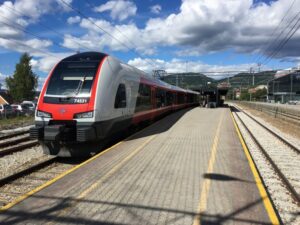
Travel and transport autonomous buses are reshaping the way we think about public transportation. These self-driving vehicles utilize advanced technology to navigate urban landscapes, making travel more efficient and convenient for passengers. As cities around the world adopt this innovative mode of transport, the impact on travel dynamics and environmental sustainability becomes increasingly evident, creating new opportunities for commuters and travelers alike.
With their integration into existing transportation systems, autonomous buses offer a glimpse into the future of travel, where convenience meets cutting-edge technology. From improved travel efficiency to reduced operational costs, these buses are not only enhancing the traveler’s experience but also contributing positively to our planet by minimizing carbon footprints.
Overview of Autonomous Buses
Autonomous buses are an innovative leap in public transportation, designed to operate without direct human intervention. These vehicles utilize advanced technology to navigate roads, ensuring safe and efficient travel. By integrating artificial intelligence, sensors, and machine learning, autonomous buses are revolutionizing how cities approach transportation challenges. Cities such as Las Vegas, San Francisco, and Singapore have already begun deploying these smart buses, showcasing their potential to enhance urban mobility and reduce congestion.
Technology Behind Autonomous Buses
The core technology supporting autonomous buses includes a blend of various systems that work seamlessly together. These systems involve sensors such as LIDAR, cameras, and radar, which collect data about the bus’s surroundings. The data is processed in real-time via onboard computers using algorithms that allow the bus to make driving decisions. With continuous updates from cloud-based systems, autonomous buses adapt to changing road conditions and traffic patterns, enhancing both safety and efficiency.
Examples of Cities Using Autonomous Buses
Several cities are leading the way in the implementation of autonomous bus services. For instance, in Las Vegas, the autonomous shuttle service has been successfully operating in a downtown area, providing free rides to locals and tourists. Similarly, San Francisco has introduced autonomous public transport vehicles that are integrated into existing transit networks. The positive impact of these services includes reduced travel times, lower operational costs, and increased accessibility for people with disabilities.
Benefits of Autonomous Buses for Travel
Autonomous buses present a variety of advantages that can significantly enhance the travel experience for passengers. From improved efficiency to environmental sustainability, these buses are transforming the public transport landscape.
Enhanced Travel Efficiency
One of the primary benefits of utilizing autonomous buses is the enhancement of travel efficiency. These buses can optimize routes based on real-time data, reducing wait times and travel durations. This not only makes commuting more convenient but also encourages more people to use public transportation, thereby alleviating traffic congestion.
Cost Reduction for Travelers
Traveling with autonomous buses can also lead to reduced costs for passengers. As operational expenses decrease due to automation, these savings can be passed on to travelers through lower fares. Additionally, the reduced need for human drivers allows for a more economical public transport model, making it a financially viable option for cities.
Contribution to Environmental Sustainability
Autonomous buses contribute significantly to environmental sustainability in a number of ways. By optimizing routes and reducing emissions through efficient driving patterns, they support the goal of reducing urban air pollution. Furthermore, many autonomous bus systems are exploring electric options, which further decrease their carbon footprint and promote green energy use in public transport.
Travel Advisory for Autonomous Bus Routes
Planning a trip with autonomous buses requires up-to-date information about the best routes and safety considerations. Travelers should familiarize themselves with regional autonomous bus services to maximize their experience.
Best Routes for Autonomous Bus Travel
The following routes have been identified as ideal for autonomous bus travel due to their high safety ratings and efficiency:
- Downtown Las Vegas to the Arts District
- Silicon Valley’s shuttle routes connecting tech campuses
- Singapore’s Marina Bay area, known for its smart infrastructure
Travelers are encouraged to check local transportation websites for real-time updates and changes to these routes.
Safety Considerations and Travel Tips
Safety is a top priority when it comes to autonomous bus travel. Passengers should always remain alert and follow basic travel etiquette. Here are some tips to ensure a safe journey:
- Always wait at designated bus stops.
- Be aware of your surroundings, especially when boarding or alighting.
- Follow any posted instructions within the bus.
Potential Travel Disruptions
While autonomous buses are generally reliable, travelers should be aware of potential disruptions. Factors such as road construction, extreme weather, or system upgrades could affect service. Checking local news or transportation apps can provide the latest information on any interruptions.
Travel Apps Related to Autonomous Buses
Technology plays a crucial role in enhancing the experience of traveling with autonomous buses. Various travel apps have emerged, providing users with essential tools for navigation and booking.
List of Travel Apps for Autonomous Bus Navigation
Here are some travel apps that support autonomous bus services:
- Citymapper – Offers real-time transit information and route planning.
- Transit App – Provides updates on bus schedules and disruptions.
- Moovit – Offers multimodal transport planning including autonomous bus routes.
These apps not only simplify the travel process but also empower users to make informed decisions about their journeys.
Enhancing Traveler Experience
Travel apps enhance the user experience by integrating features such as mobile ticketing, real-time updates, and user-friendly navigation. The convenience of booking and tracking autonomous buses from a smartphone allows travelers to enjoy a stress-free journey.
Integration with Existing Travel Apps
Many existing travel apps are now integrating autonomous bus services into their platforms. This merges traditional public transport with cutting-edge technology, making it easier than ever to plan a trip. For instance, popular navigation apps are incorporating autonomous routes into their mapping features, helping users find the best options.
Future Trends in Travel and Transport
The landscape of public transportation is continuously evolving, and autonomous buses are at the forefront of these developments. The future promises exciting advancements that could further enhance the travel experience.
Emerging Trends in Autonomous Bus Technology
As technology improves, we can expect autonomous buses to incorporate even more advanced features. For example, the use of AI-powered systems to predict passenger demand can lead to more flexible and responsive services. Additionally, developments in electric and hybrid technology are likely to shape the next generation of autonomous buses.
Challenges and Opportunities for Travel Agencies
While the rise of autonomous buses presents challenges for traditional travel agencies, it also opens new opportunities. Agencies can adapt by offering tailored travel packages that include autonomous bus options, thereby appealing to a tech-savvy clientele.
Adapting Travel Accessories for Autonomous Bus Passengers
As autonomous bus travel becomes more mainstream, we may see the emergence of innovative travel accessories designed specifically for this mode of transport. Items such as collapsible luggage for easy storage or smart devices for real-time updates could enhance the passenger experience.
Role of Travel Agents in Promoting Autonomous Bus Travel
Travel agents have a pivotal role in introducing clients to the benefits of autonomous bus services. By understanding this technology, they can effectively promote it as a viable travel option.
Strategies for Promoting Autonomous Bus Services
Travel agents can utilize several strategies to promote autonomous bus travel, including:
- Offering educational workshops or webinars about autonomous transport.
- Creating promotional packages that include transit options.
- Collaborating with tech companies to stay informed about advancements.
Educating Clients About Autonomous Travel Options
Travel agents can empower clients by providing comprehensive information about how autonomous buses operate, their benefits, and safety measures. This knowledge can help reduce apprehensions and encourage the adoption of autonomous transport solutions.
Impact on Travel Agent Jobs and Industry Dynamics
The growth of autonomous bus services may shift the focus of travel agents, requiring them to adapt to new technological trends. While some traditional roles may diminish, opportunities for specialization in tech-driven travel solutions will likely emerge, reshaping the industry landscape.
Travel Anxiety and Autonomous Buses
Traveling by autonomous buses might induce anxiety for some passengers, especially those apprehensive about technology. Understanding and addressing this anxiety is crucial for promoting the use of autonomous transport.
Implications of Travel Anxiety
Travel anxiety can manifest in various forms, such as fear of the unknown or concerns regarding safety. Passengers may worry about the reliability of technology or the absence of a human driver.
Coping Strategies for Anxious Travelers

To alleviate travel anxiety, passengers can employ several coping strategies:
- Familiarizing themselves with the technology and service before traveling.
- Practicing mindfulness techniques while waiting for and during the ride.
- Traveling with friends or family to feel more secure.
Preparing Mentally for Autonomous Transport Solutions
Preparation is key to easing anxiety about autonomous buses. Passengers can enhance their comfort by researching the specific services, learning about the safety records, and visualizing a positive outcome for their travels.
Travel Accessories for Autonomous Bus Trips
When traveling on autonomous buses, having the right accessories can greatly enhance comfort and convenience. Here’s a list of essential items.
Essential Travel Accessories
Passengers can benefit from various travel accessories designed to make their experience more pleasant:
- Noise-canceling headphones for a peaceful journey.
- Portable chargers to keep devices powered during the trip.
- Travel-sized blankets for added comfort.
Innovative Accessories for Enhanced Convenience
As autonomous bus travel grows, we can expect innovative accessories to emerge. Examples could include smart luggage that tracks its location or wearable devices providing real-time updates. These advancements will cater to the evolving needs of modern travelers.
Travel Blogs and Autonomous Bus Experiences
Travel blogs play a significant role in sharing personal experiences and insights related to autonomous bus travel. These platforms can provide valuable information to potential passengers.
Sharing Experiences Through Travel Blogs
Travel blogs can help demystify autonomous bus travel by sharing firsthand accounts and practical tips. Bloggers who document their journeys can inspire others to embrace this new mode of transport.
Encouraging Content Creation Focused on Autonomous Buses
Bloggers are encouraged to create content centered around their experiences with autonomous buses. By sharing stories, recommendations, and travel hacks, they can foster a community of informed travelers who are excited about exploring autonomous transport options.
Popular Travel Blogs Covering Autonomous Transport
Several travel blogs have gained traction for their focus on emerging transport trends, including autonomous buses. These blogs provide in-depth reviews, personal anecdotes, and insights into navigating the future of travel.
Travel Brochures Featuring Autonomous Bus Options
Travel brochures serve as an effective marketing tool for agencies promoting autonomous bus services. A well-designed brochure can highlight the benefits and features of this innovative transport option.
Key Information for Travel Brochures
An effective travel brochure should include essential information such as:
- Overview of autonomous bus services in the area.
- Benefits for travelers, including cost and efficiency.
- Safety measures and travel tips.
Including engaging visuals of the buses and routes can further attract potential passengers.
Utilizing Brochures to Market Autonomous Bus Services
Travel agencies can leverage brochures to effectively communicate the advantages of autonomous bus travel. By distributing these materials at events or within travel agencies, they can raise awareness and encourage prospective travelers to consider this innovative option.
Closing Notes
In summary, the rise of travel and transport autonomous buses marks a significant evolution in the transportation sector. As we explore the benefits and challenges of this technology, it’s clear that the future holds exciting possibilities for both travelers and travel agencies. Embracing this change will not only enhance travel experiences but also promote a more sustainable approach to public transport, paving the way for smarter, greener cities.
User Queries
What are autonomous buses?
Autonomous buses are self-driving vehicles designed to transport passengers without the need for a human driver.
How do autonomous buses navigate?
They utilize a combination of sensors, cameras, and artificial intelligence to safely navigate their environment.
Are autonomous buses safe?
Yes, they are equipped with advanced safety features and have been tested rigorously to ensure passenger safety.
What cities currently use autonomous buses?
Several cities around the world, including Las Vegas, Paris, and Singapore, have implemented autonomous bus services.
How can I find routes for autonomous bus travel?
Travel apps and local transit websites provide information on routes for autonomous buses.